


banner

Learning

Our dynamic learning environment, rooted in the principles prepares students for success in an ever-evolving global landscape.

Primary Years Programme (PYP)

pyp logo

(Grades 3–5)

The Primary Years Programme (PYP) is designed for students aged 3 to 12, providing a strong foundation for lifelong learning. It focuses on the development of the whole child, nurturing intellectual, social, emotional, and physical growth. The PYP encourages inquiry-based learning, fostering curiosity and creativity while promoting international-mindedness. Through a transdisciplinary approach, students explore concepts and ideas across subject areas, developing critical thinking skills and a global perspective. The program emphasizes the importance of action and reflection, empowering students to become active, caring members of their communities and the world.

Transdisciplinary Themes

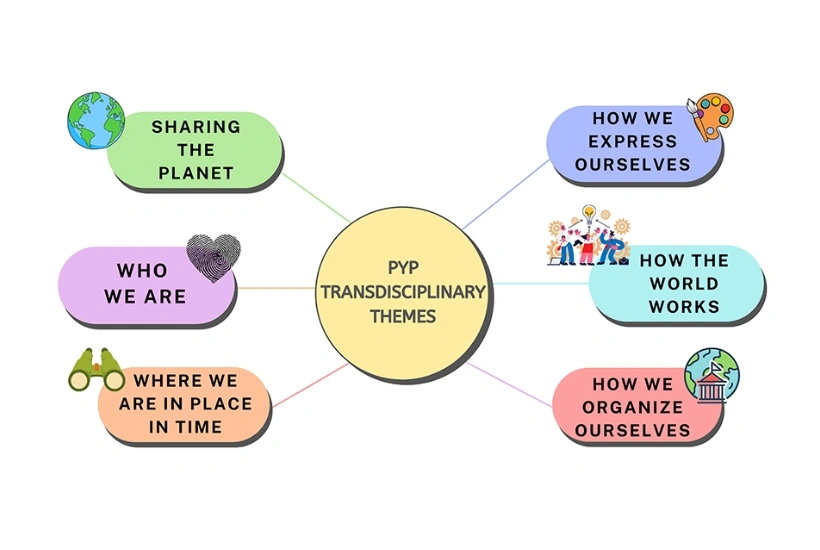
The Primary Years Programme (PYP) is structured around six transdisciplinary themes that provide meaningful and relevant contexts for learning. These include Who We Are, Where We Are in Place and Time, How We Express Ourselves, How the World Works, How We Organize Ourselves, and Sharing the Planet.

These themes enable students to explore issues of local and global significance, going beyond traditional subject boundaries. Learning is designed to be inquiry-driven, allowing students to investigate real-world challenges, ask questions, and construct understanding through authentic experiences.
transdisciplinary-themes

By connecting knowledge across disciplines, the themes of the IB Primary Years Programme support the development of conceptual understanding and encourage learners to make meaningful connections. This approach nurtures curiosity, promotes international-mindedness, and ensures that learning remains relevant and engaging. Through transdisciplinary learning, students are empowered to think critically and apply their understanding in diverse contexts.

specified-concepts
Specified Concepts

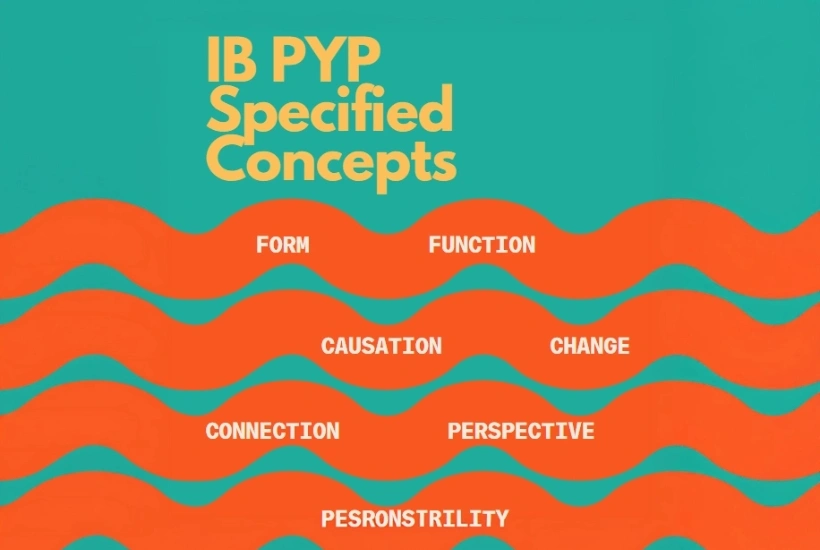
Specified concepts are central to conceptual understanding in the PYP, guiding students to explore significant ideas that transcend subject areas. These include Form, Function, Causation, Change, Connection, Perspective, and Responsibility.

These concepts provide a lens for inquiry, helping learners deepen their understanding by exploring how things work, why they change, and how they are interconnected. Rather than focusing only on factual knowledge, students engage with ideas that are transferable across disciplines and contexts. Through structured inquiry, specified concepts encourage learners to analyze, reflect, and make connections between their learning and the world around them. This approach promotes critical and creative thinking, enabling students to develop deeper insights and apply their understanding in new situations. By focusing on enduring ideas, learning becomes meaningful, coherent, and relevant.

Learner Profile Attributes

The Learner Profile in the PYP program in Pune represents a broad range of attributes that support the holistic development of students. It includes Inquirers, Knowledgeable, Thinkers, Communicators, Principled, Open-minded, Caring, Risk-takers, Balanced, and Reflective.

  • Learner Profile
  • Learner Profile
  • Learner Profile
  • Learner Profile
  • Learner Profile
  • Learner Profile
  • Learner Profile
  • Learner Profile
  • Learner Profile
  • Learner Profile
Approaches to Learning (ATL)

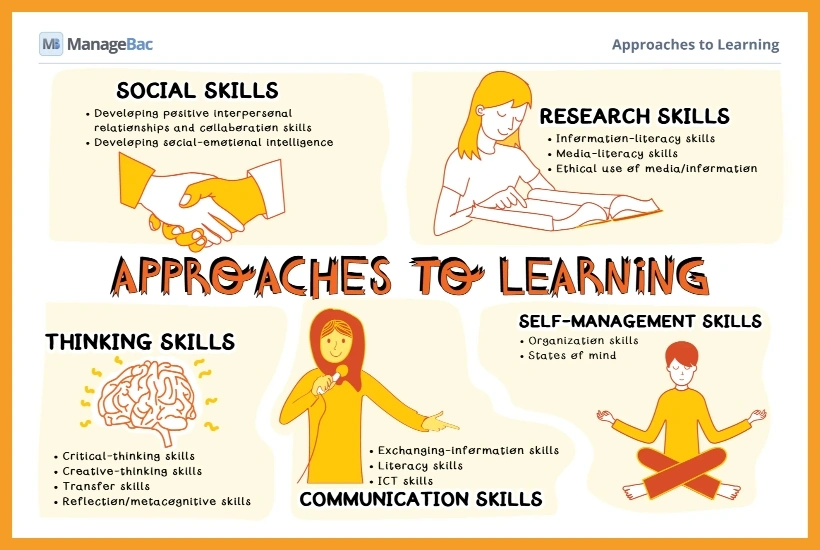
Approaches to Learning (ATL) focus on developing essential skills that support students in becoming effective, lifelong learners. These include Thinking, Research, Communication, Social, and Self-management skills.

ATL skills help students understand how to learn, enabling them to become independent, self-regulated, and reflective. Through purposeful integration within units of inquiry and other subject focus, students learn to ask questions, analyze information, collaborate with others, and communicate their ideas effectively.

These skills are explicitly taught and consistently applied in authentic learning contexts. By strengthening ATL competencies, students develop confidence, resilience, and adaptability, preparing them to navigate complex challenges. The focus on skill development empowers learners to take ownership of their learning and apply their abilities across a range of situations.

approaches-learning
action
Action

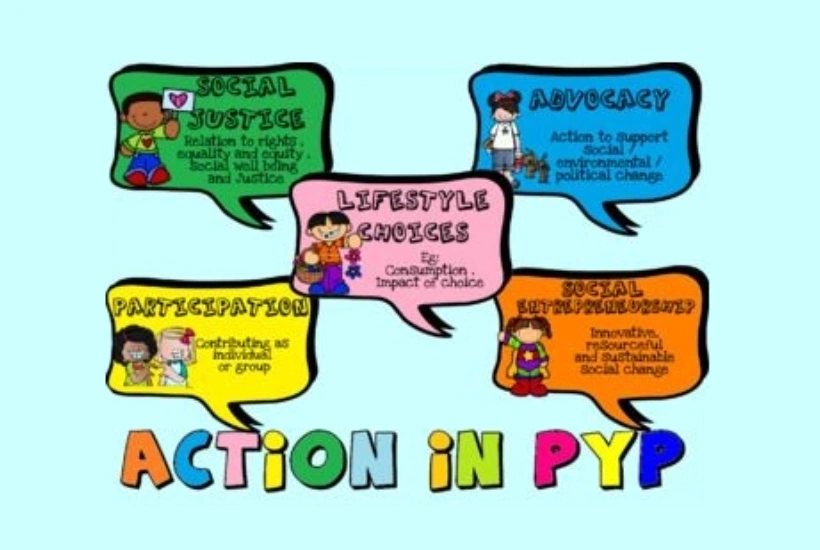
Action is a key element of the PYP, emphasizing that learning should lead to meaningful and responsible behaviour. It occurs when students apply their understanding to make a positive difference in their own lives, communities, and the wider world.

Action can take various forms, including Participation, Advocacy, Social justice, Social Entrepreneurship and Lifestyle choices. It is often student-initiated and arises naturally from inquiry, reflecting students’ interests, values, and understanding.

Through action, learners develop a sense of agency, responsibility, and empathy. They are encouraged to reflect on their learning and consider how they can contribute thoughtfully and ethically. This process empowers students to become active, caring members of society who are capable of making informed decisions and creating meaningful impact.

Assessment

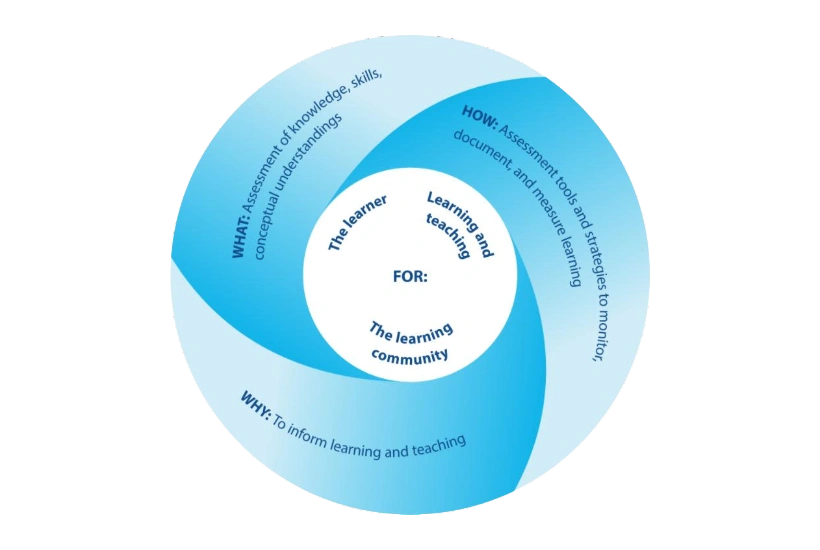
Assessment in the PYP is an integral part of teaching and learning, designed to support and enhance student understanding. It includes Assessment for learning, as learning, and of learning, ensuring a balanced and comprehensive approach.

A variety of strategies such as observations, performance tasks, reflections, and portfolios are used to gather evidence of learning. These approaches ensure that assessment is authentic, meaningful, and aligned with inquiry-based practices.

Students play an active role in the assessment process by reflecting on their progress, setting goals, and identifying next steps. This promotes the development of assessment-capable learners who take ownership of their learning journey. Through continuous feedback and reflection, assessment supports holistic development and ensures that learning remains purposeful, student-centered, and responsive to individual needs.

assessment

Images shown are for reference only and may differ from actual conditions.

Admission Enquiry (2026–27)
IB Programme
Cambridge Programme